
Machines
Commissioning
A clear process for machine commissioning in South African workshops, aimed at people who already work with lathes, borers, and grinding equipment.
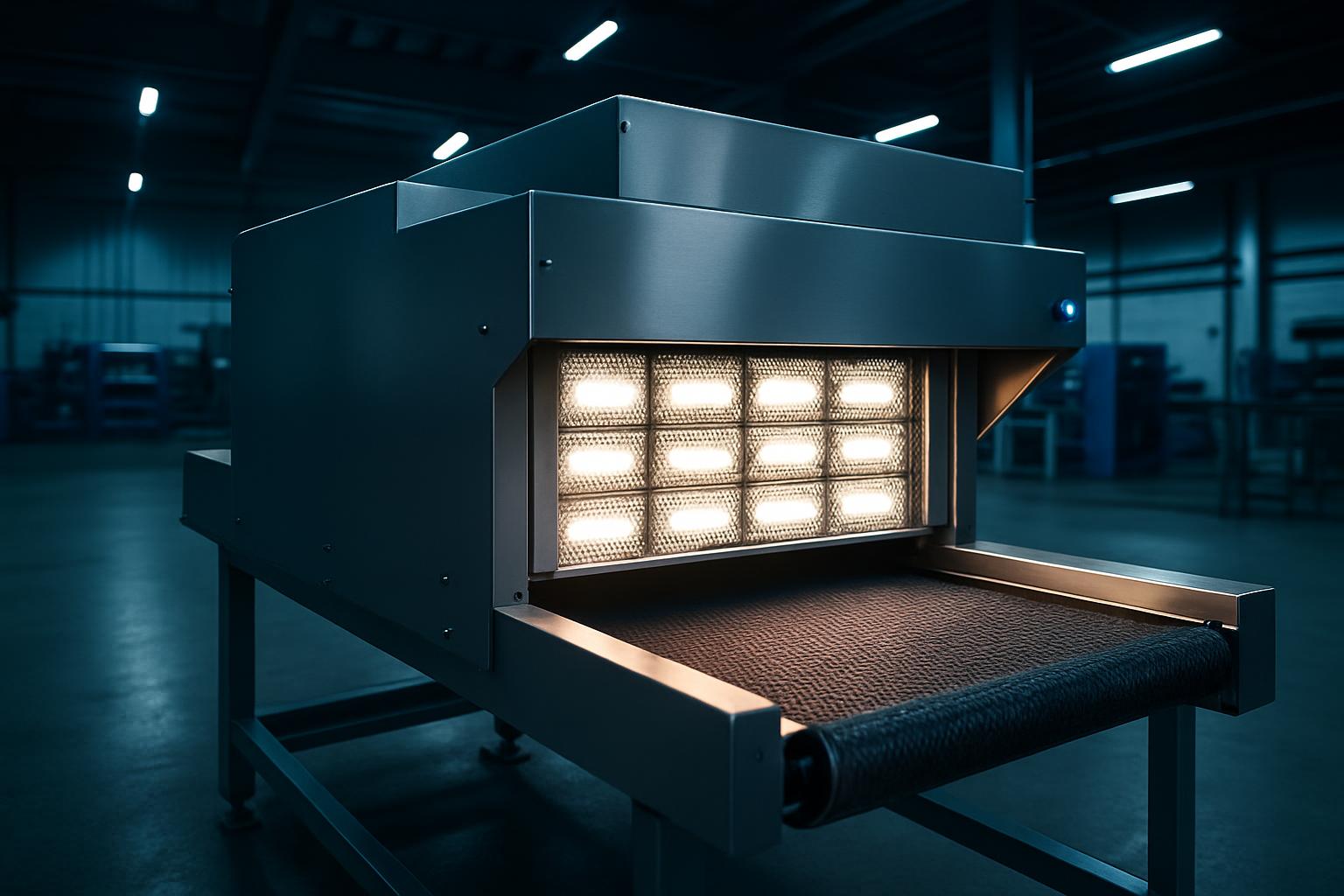
Machine handover and first start
Commissioning covers the steps between delivery and productive use on the workshop floor. For lathes, borers and valve grinding equipment, that means checking placement, services, lubrication and basic running condition before normal work starts. Teams that need a practical setup process can follow these steps from the start.
Commissioning starts after offloading, when the machine position, power supply and basic services are checked against the installation area. On a lathe or borer, that usually means confirming levelling points, coolant arrangement, lubrication state and spindle rotation before any cutting begins. Johannesburg dust, transport vibration and site power quality can all change what must be inspected first.
Begin with a full visual record before covers are removed or loose items are unpacked. Keep a short site sheet with serial details, oil grades, missing accessories and the first running observations near the machine file. That record helps when a chuck, steady or valve grinding attachment needs to be matched back to the correct unit.
Checks completed before production
The aim is a machine that has been placed, connected and run through basic functions with faults noted clearly. Commissioning notes should show what was tested, what still needs attention and which services were used during setup. For used equipment, backlash, feed engagement and lubrication flow are often more useful to record than general comments.
Before expanding the work, inspect guards, loose tooling, electrical connections and transit damage one more time. Mention the machine make and the work you plan to run when asking about lathes, boring or valve grinding equipment.
- Levelling, power and service checks
- First run notes with photos
- Model and site details recorded
Workshop conditions that affect setup
At Crown Mines and similar industrial areas, access, lifting space and supply layout can affect where a machine is placed and how it is commissioned. A heavy lathe may need final levelling only after it has stood in position and settled. On some sites, the useful discussion is about incoming power, coolant disposal and operator access rather than appearance.
Coastal humidity calls for closer attention to bare metal, slideways and storage oils after transport. Inland conditions often mean more dust around electrics, lubrication points and covers, especially where doors stay open through the day. Load shedding and generator changeover should also be considered before test running spindle motors or pumps.
Operated by Astros Marketing (Pty) Ltd from 2 Makro Place, Sunnyrock 1401.
Information useful before commissioning
Provide the machine type, available power, site photos and any known transport or handling issue. Include what must be run first, such as spindle speeds, feeds, coolant pump or a valve refacing setup.
It also helps to note whether the machine is new or used, and whether tooling arrived with it. A short list of missing guards, manuals, chucks or electrical parts makes the commissioning record more useful for workshop planning.
What our Metalworking Machine customers say
Verified Google reviews